Фото: Zuma \ TASS.
За три года мы узнаем все больше фактов о событиях 7 октября и слышим все больше объяснений произошедшего. Их помещают в историю конфликта, в политические схемы, в рассуждения о причинах и последствиях. Исторический контекст необходим.
Я сам занимаюсь историей и знаю, как опасно пренебрегать сложностью. Именно поэтому считаю необходимой точность: нападение ХАМАС 7 октября было террористическим нападением. Этот день стал самым смертоносным для евреев со времен Холокоста.
Убийство мирных людей и захват заложников остаются преступлениями независимо от политических убеждений того, кто о них судит.
Для читателя, живущего далеко от Израиля, эта дата может стать еще одним эпизодом чужого конфликта. Однажды во время дискуссии в Лондоне мой собеседник назвал происходящее борьбой “жестоковыйных племен Востока”. Такой взгляд позволяет воспринимать чужую жизнь как нечто далекое и почти отвлеченное.
Однако вопрос, который ставит перед нами 7 октября, кажется мне универсальным: насколько надежны обещания безопасности и что происходит, когда учреждения, призванные защищать человека, оказываются неспособны выполнить свою задачу?
7 октября 2023 года погиб мой сын Юваль. Ему был 21 год. Он служил в 77-м батальоне 7-й бронетанковой бригады, и до окончания его срочной службы оставались считаные дни.
Теперь, три года спустя, я по-прежнему с трудом говорю о нем в прошедшем времени. Грамматика требует того, с чем отец не может согласиться. У Юваля были планы, впереди могла быть жизнь во всех ее проявлениях. Этого будущего уже не будет.
Годовщина принято подводить итоги. Для семьи, потерявшей ребенка, само это выражение звучит страшно. Утрата не складывается в завершенный рассказ, из которого можно извлечь урок и перейти к следующей главе. Она входит в повседневность: в семейные разговоры, праздники, планы и решения, а жизнь продолжается.
После утраты человек может чувствовать вину за смех, за хороший день, за увлеченность каким-то делом, словно в эти минуты он отдаляется от погибшего.
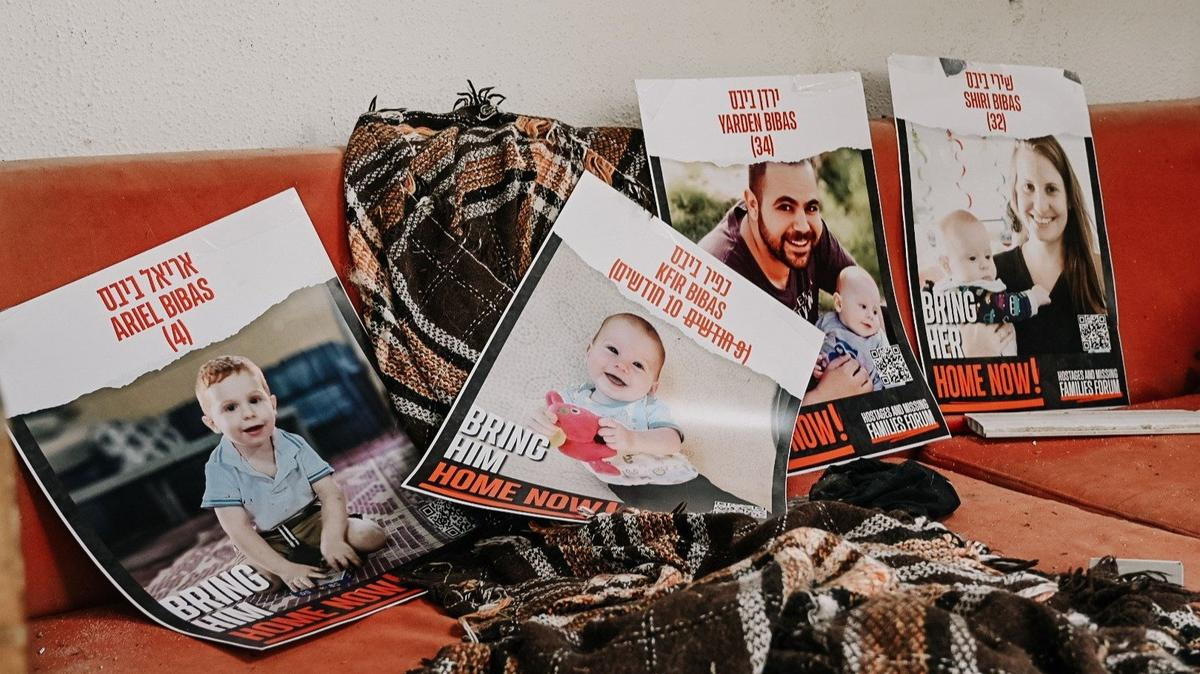
Я пишу об этом потому, что события 7 октября постепенно отдаляются во времени. Для общества это дата, предмет политического спора, историческое событие. Для нас это еще и конкретное имя. У других семей свои имена, свои голоса и несостоявшиеся разговоры. Когда мы говорим о памяти, важно за общими цифрами сохранять имена и судьбы отдельных людей.
Израиль и сегодня существует в условиях реальных угроз. Поэтому все обстоятельства 7 октября требуют серьезного, объективного, всестороннего и глубокого расследования. Оно должно проводиться независимо от тех, чьи решения и действия предстоит проверить.
Комиссия, ведущая расследование, должна иметь доступ к необходимым документам и полномочия устанавливать персональную ответственность.
Общество должно знать, какие предупреждения были получены, как оценивалась угроза, почему оказалась прорвана защита и как принимались решения в первые часы нападения. Необходимо исследовать и более ранние политические, военные и разведывательные решения, создавшие условия для катастрофы. Выводы должны стать основанием для изменений, способных предотвратить ее повторение.
Фото: dpa / picture-alliance.
Мужество солдат и граждан, воспитанных в Израиле и сопротивлявшихся террористам, заслуживает благодарности. Их поступки делают необходимость расследования еще более настоятельной.
Люди, спасавшие других в обстоятельствах, к которым государство оказалось не готово, и семьи погибших имеют право на правду.
But the circle of responsibility does not end at the borders of Israel. The international community must be involved in resolving the Middle East conflict and at the same time honestly investigate its own role in exacerbating it.
Answers are needed on issues regarding the financing and arming of terrorist organizations, control over international aid, the activities of institutions aimed at protecting civilians and promoting peace.
Membership in the UN does not guarantee the peaceful nature of a state’s policy. Iran, a member of this organization, has supported Hamas for years with money, arms, and training.
International responsibility implies concrete actions against such channels of support. It is impossible to convincingly call for peace while leaving terrorist organizations the means to prepare for the next attack.
Checks are also needed by international institutions. In August 2024, the UN reported that materials from its internal investigation indicated possible involvement of UNRWA employees in the October 7th attack. This requires a thorough examination of hiring mechanisms, supervision and spending.
The long-standing policy towards Palestinian refugees warrants separate consideration. UNRWA rules provide for the registration of their descendants, so the number of registered individuals includes subsequent generations.
The international community must ask itself to what extent the system created has helped people find a sustainable future and maintained their dependence on the unresolved conflict.
Efforts are needed from international participants: to end support for terror, control aid to the population, assist responsible Palestinian governance, and create conditions for an agreement that both parties will strive to fulfill.
The history of negotiations includes signed agreements and missed opportunities, but a final settlement has not been achieved.
It is necessary to honestly dissect the reasons for failures, including rejecting proposals that could bring peace closer. After October 7th, security must be a verifiable condition of any peace plan.
Photo: Zuma \ TASS.
Israel is so small, that on the world map, its name is often placed outside its territory. The small size of the country also means limited strategic depth: the distances between borders, settlements, and vital infrastructure are small.
For such a country, territorial decisions directly affect the ability to protect the population. Israel cannot afford concessions that create additional threats to its existence. It cannot be asked to take risks for which citizens will pay with their lives, while international mediators remain mere architects of plans, maps, and statements.
Israel must remain the national state of the Jewish people, the only one in the world. This is especially important when Jewish communities in the diaspora face a sharp rise in antisemitic hatred, threats, and violence.
The right of Jews to a national home and security must be a fundamental condition of any resolution. I believe it is compatible with the equality of all Israeli citizens and the recognition of the Palestinians’ right to a dignified and secure life.
For the father of a fallen soldier, these questions have a very concrete meaning. I know that Yuval heroically defended his country, and I want to know if everything necessary was done to protect him.
These feelings coexist. Love for my country gives me the right to ask it difficult questions and the duty not to shy away from them.
A responsible approach requires asking questions to those who funded terror, contributed to its strengthening or failed to provide necessary oversight.
The loss of a child does not make a parent infallible. My loss does not make every political judgment of mine correct.
It does not exempt me from the duty to check facts and listen to objections. But I can demand that the human cost of decisions be taken seriously.
Behind the phrases “necessary sacrifices” and “historical inevitability” are people whose lives can never be brought back.
Therefore, I find it difficult to accept arguments where the suffering of innocent people becomes an acceptable sacrifice for a greater goal.
I demand that Israel be protected, so that my children and fellow citizens can live safely.
At the same time, I cannot be indifferent to the pain of Palestinian families who have lost children.
Recognizing this pain requires political leaders, state leaders, and the military to be attentive and responsible.
Compassion does not negate the need to distinguish between terrorists responsible for their crimes and civilians caught in conflict zones.
It is compatible with the right and duty of the state to protect its citizens and helps see the individual behind the name of a people, territory, or political movement.
I often reflect on Viktor Frankl’s experience and how a person can live after a heavy loss.
At the same time, I do not seek a meaning that would justify Yuval’s death. Nothing can be an equivalent answer to the loss of my son.
But the question of my own life remains: what is required of me now? I have a family, children, people I work with, affairs I’m responsible for. I can take care of them even when the pain hasn’t gone anywhere.
Society must remember that for people who have lost loved ones, there are days when strength is only enough for the essentials.
The ability to choose our attitude towards what is happening, as Frankl wrote, does not mean full control over the pain.
Sometimes the available choice is very limited: accepting help, talking to a loved one, doing one necessary task. And that might be enough today.
The question of responsibility for continued life is also before society. Memory takes on meaning in how we treat the living: how attentively we treat threats, how honestly we analyze mistakes, how we safeguard people who will live with the consequences of our decisions.
Ceremonies and memorials are important, but responsibility continues even after the commemorative days end.
I would like us to retain the ability to discuss this responsibly and directly, to call a crime a crime, demand a comprehensive investigation, and hear the pain of others.
And that we do not promise solace to the families of the deceased, which no one can ever give them.
For Yuval, he will always remain 21 years old. And we continue to live and make decisions. I would like the memory of the victims of October 7th to help me and all of us live with greater responsibility towards the future.